
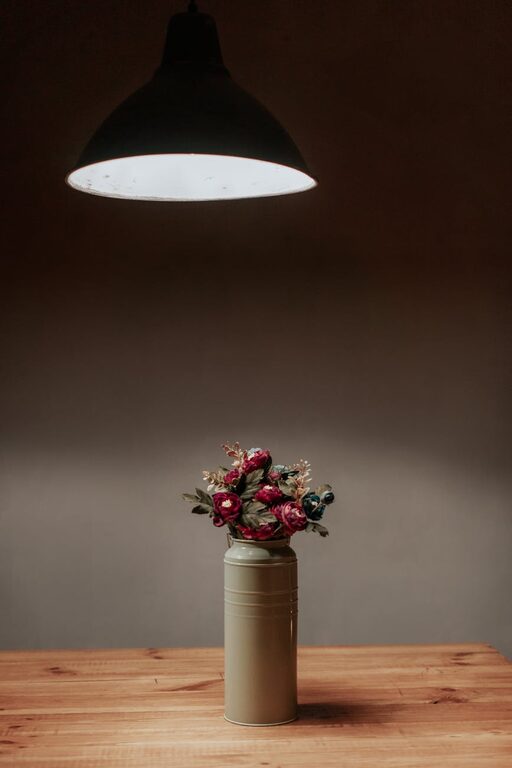
Creating a peaceful atmosphere in your home can greatly improve your overall well-being. One of the easiest yet most effective ways to achieve this is by choosing calm colors for your walls, furniture, and accessories. Colors influence mood and energy, so selecting the right palette can help you design a space that feels welcoming, restful, and balanced.
In this post, we’ll explore practical tips for choosing calm colors that suit your taste and home style.
Why Choose Calm Colors?
Calm colors are typically soft, muted shades that evoke a sense of tranquility. Unlike bright or intense colors, calm tones tend to soothe the mind and reduce stress. Incorporating these colors in your home can:
– Promote relaxation and restful sleep
– Create a harmonious environment
– Make rooms feel more spacious and airy
– Provide a neutral backdrop for décor
Popular calm colors include soft blues, gentle greens, warm neutrals, and pastel shades.
Tips for Choosing Calm Colors for Your Home
1. Understand the Mood You Want to Create
Before picking colors, think about how you want each room to feel. For example:
– Bedroom: A restful, cozy atmosphere encourages sleep.
– Living Room: A welcoming space invites socializing without overwhelming energy.
– Home Office: A tranquil setting helps focus and reduces distractions.
Mapping these moods to color families will guide your selection process.
2. Use Color Psychology as a Guide
Certain colors are known for their calming effects:
– Blue: Often associated with calm and serenity, perfect for bedrooms or bathrooms.
– Green: Reminiscent of nature, it promotes balance and renewal.
– Lavender or Soft Purple: Brings a soothing, elegant touch.
– Beige, Taupe, and Warm Grays: Earthy neutrals that offer warmth without overstimulation.
Avoid saturated or neon colors if you want a calm environment.
3. Start with a Neutral Base
Using a neutral color for walls or large furniture pieces creates a peaceful foundation. Neutrals are versatile and easy to update with accessories later. Try:
– Light gray
– Cream
– Soft taupe
These shades blend well with other calm colors for a cohesive look.
4. Consider the Light in Your Space
The amount and type of natural light affect how colors appear. Before finalizing your choice:
– Test paint samples on walls and observe them at different times.
– Rooms with limited sunlight may benefit from warmer tones to avoid a cold feel.
– Bright, sunlit rooms can handle cooler shades without becoming gloomy.
5. Incorporate Color in Layers
Instead of painting every wall the same color, layer calm tones throughout the room using:
– Accent walls
– Soft-colored rugs and cushions
– Curtains or blinds in muted shades
– Artwork and decor items
This approach prevents monotony while maintaining tranquility.
6. Use Color Samples and Test First
Always buy small paint samples and test them on your walls or with fabric swatches. Colors can appear different when applied to large surfaces or combined with your furniture and lighting.
7. Balance Cool and Warm Tones
To keep your space inviting, balance cool calm colors with warm accents. For example, pair a pale blue wall with wooden furniture or a beige rug. This contrast adds depth without sacrificing calmness.
8. Keep Your Personal Style in Mind
Choosing calm colors doesn’t mean sacrificing personality. Select shades that feel right to you. If you love a specific color, look for muted or pastel versions rather than bright tones.
Popular Calm Color Palettes to Explore
Here are some calming combinations you might consider:
Soft Blue and White
– Pale blue walls
– Crisp white trim and furniture
– Light wood flooring
– Soft gray or cream textiles
Sage Green and Warm Beige
– Sage green accent wall
– Beige or cream main walls
– Natural wood elements
– Green plants for freshness
Lavender and Light Gray
– Lavender walls or accents
– Light gray upholstery
– White accents
– Soft patterned fabrics
Neutral Tones with Soft Pastels
– Warm taupe walls
– Pastel pink or mint cushions
– White or cream furniture
– Gold or brass details
Final Thoughts
Choosing calm colors for your home is a thoughtful process that combines mood, lighting, and personal style. By following these tips, you can create a serene retreat that supports relaxation and comfort every day.
Experiment with samples, trust your instincts, and remember that layering colors and textures adds warmth and personality to your calm space.
Enjoy the process of making your home a peaceful haven!
—
If you found these tips helpful, feel free to share your favorite calm colors in the comments below!