
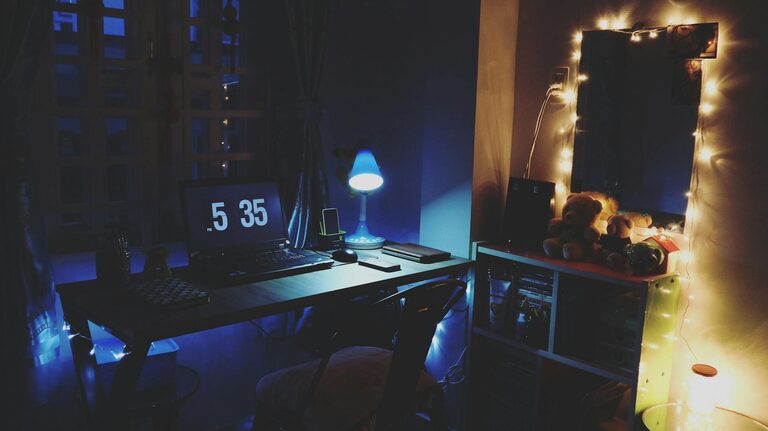
Creating a relaxing home workspace is essential for maintaining focus, reducing stress, and improving overall productivity. Whether you work remotely full-time or occasionally need a quiet area for personal projects, designing a space that promotes calmness can make a big difference in your day-to-day routine. In this post, we’ll explore practical tips and inspiration for creating a home workspace that is both functional and soothing.
Why a Relaxing Workspace Matters
Spending hours in an environment that is cluttered, noisy, or uncomfortable can affect your mood and efficiency. A workspace designed with relaxation in mind helps to:
– Reduce distractions and eye strain
– Encourage a better work-life balance
– Improve creativity and problem-solving
– Lower feelings of stress and burnout
Taking the time to set up your workspace thoughtfully pays off in how you feel and perform throughout each workday.
Step 1: Choose the Right Spot
Finding the ideal location for your home workspace is the foundation of comfort and relaxation. Consider these factors:
Natural Light
Position your desk near a window if possible. Natural daylight reduces fatigue and keeps you alert. Avoid direct glare on your computer screen by angling your desk or using light curtains.
Quiet Environment
Select a part of your home that experiences minimal noise and foot traffic. If this is a challenge, noise-canceling headphones or white noise machines can help.
Adequate Space
Make sure you have enough room for your desk, chair, and any tools or devices you use regularly. Cramped spaces can feel stressful and limit your productivity.
Step 2: Invest in Comfortable and Supportive Furniture
Your furniture greatly influences your comfort and posture throughout the day.
– Ergonomic Chair: Choose a chair that supports your lower back, allows your feet to rest flat on the floor, and has adjustable height.
– Desk at Proper Height: Your desk height should allow your arms to rest comfortably without strain. Adjustable desks or standing desk options offer flexibility.
– Additional Support: Consider footrests, wrist pads, or cushions if needed to enhance comfort.
Step 3: Organize and Declutter
A tidy and organized space can help clear your mind, making it easier to concentrate.
– Use Storage Solutions: Shelves, drawers, and organizers keep supplies handy but out of sight.
– Limit Desktop Items: Keep only essential items on your desk to avoid distractions.
– Regular Cleaning: Set a weekly reminder to tidy up your workspace.
Step 4: Personalize Your Space Thoughtfully
Adding elements that bring you joy can contribute to relaxation, but balance is key to avoid clutter.
Plants
Indoor plants not only beautify a space but also improve air quality and provide a sense of calm.
Artwork or Photos
Choose calming images or inspiring quotes to decorate your walls or desk area.
Soft Textiles
Items like cushions or a small throw blanket can add warmth and comfort.
Step 5: Optimize Lighting
Proper lighting reduces eye strain and creates a welcoming atmosphere.
– Layered Lighting: Combine natural light with task lighting such as adjustable desk lamps.
– Warm Light Bulbs: Use bulbs that emit soft, warm light rather than harsh fluorescents.
Step 6: Manage Technology Wisely
Technology is essential but can also cause stress if not managed properly.
– Cable Management: Use clips or sleeves to keep cords organized.
– Monitor Positioning: Place screens at eye level to prevent neck strain.
– Break Reminders: Use apps or timers to remind you to take regular breaks away from the screen.
Step 7: Incorporate Relaxing Scents and Sounds
Engaging your senses can help you stay calm and focused while working.
– Diffusers or Candles: Light scents like lavender or eucalyptus that promote relaxation.
– Background Music: Play soft instrumental or nature sounds to drown out distractions.
Step 8: Create Boundaries Between Work and Relaxation
Especially when working from home, clearly defining your workspace helps separate work time from personal time.
– Dedicated Desk Area: Keep your workspace separate from spaces meant for leisure.
– End-of-Day Ritual: Establish a simple routine like shutting down your computer and tidying your desk to signal the end of the workday.
Final Thoughts
Creating a relaxing home workspace doesn’t have to be complicated or expensive. By choosing the right location, investing in ergonomic furniture, organizing effectively, and adding personal touches, you can build a space that supports both productivity and calmness. Give yourself the gift of a comfortable, peaceful work environment—it’s an investment in your well-being and success.
—
Want more tips on improving your home life and workspace? Subscribe to our newsletter and stay inspired!